


 (858) 333-1035 Sales@knives.shop
 Keeping kitchen knives sharp is essential for both safety and performance. Dull blades require more force to cut, increasing the risk of slips and accidents. Learning how to sharpen knives on a flat stone is a practical skill that can extend the life of your cutlery and improve your cooking experience. This approach, also known as whetstone sharpening, is favored by chefs and home cooks alike for its precision and control.
In this guide, you'll discover the step-by-step process for using a flat stone to restore a keen edge to your knives. We'll cover the tools you need, the correct technique, and tips to help you achieve professional results at home. For those interested in exploring related methods, you can also read the how to sharpen knives with a stone guide for a broader overview of sharpening techniques.
Why Use a Flat Stone for Knife Sharpening?
Sharpening with a flat stone, or whetstone, offers several advantages over other methods. Unlike pull-through sharpeners or electric devices, a stone gives you full control over the sharpening angle and pressure. This allows for a more customized edge and can help preserve the blade’s original geometry. Flat stones are also versatile, working well for a wide range of blade types and sizes.
Compared to alternatives like knife sharpening steel vs rod, stones actually remove metal to create a new edge, rather than just realigning the existing one. This makes them ideal for restoring very dull or damaged knives.
Choosing the Right Sharpening Stone
Before you start, it’s important to select the appropriate stone for your needs. Whetstones come in various grits, each suited for different stages of sharpening:
- Coarse grit (200–600): Best for repairing chips or reshaping very dull blades.
- Medium grit (800–2000): Ideal for routine sharpening and restoring a working edge.
- Fine grit (3000–8000): Used for polishing and refining the edge for maximum sharpness.
Many stones are double-sided, offering both a coarse and a fine surface. Water stones and oil stones are the most common types. Water stones are popular for their fast cutting action and easy maintenance, while oil stones tend to be more durable but require oil for lubrication.
Preparing Your Tools and Workspace
To sharpen your knife safely and effectively, gather the following items:
- The knife you wish to sharpen
- A suitable flat stone (whetstone)
- A towel or non-slip mat to stabilize the stone
- Water or honing oil, depending on your stone type
- A clean cloth for wiping the blade
Set up your workspace on a stable, flat surface with good lighting. Place the stone on the towel or mat to prevent it from slipping during use. If you’re using a water stone, soak it in water for 10–15 minutes before sharpening. Oil stones should be lubricated with a few drops of honing oil.
Step-by-Step Instructions for Sharpening on a Flat Stone
Follow these steps to achieve a sharp, consistent edge:
- Determine the sharpening angle. Most kitchen knives are sharpened at a 15–20 degree angle. Maintaining a consistent angle is crucial for effective sharpening.
- Start with the coarse side. Hold the knife firmly and place the heel of the blade on the stone. With gentle, even pressure, draw the blade across the stone in a sweeping motion, moving from heel to tip. Repeat this motion 8–10 times on one side, then switch to the other side.
- Check your progress. After several passes, feel for a slight burr along the edge. This indicates that you’ve removed enough material and can move to the finer grit.
- Refine the edge. Flip the stone to the fine side and repeat the sharpening process. Use lighter pressure and focus on smoothing and polishing the edge.
- Alternate sides. For the final stage, alternate strokes from side to side to ensure an even, symmetrical edge.
- Clean the blade. Wipe the knife with a damp cloth to remove any metal filings or residue.
For a visual guide and more advanced tips, you can consult resources like the Victorinox kitchen knife sharpening tutorial.

Tips for Consistent Results When Using a Whetstone
Achieving a razor-sharp edge with a flat stone requires patience and practice. Here are some tips to help you get the best results:
- Maintain a steady angle: Use a guide or your fingers to keep the blade at the correct angle throughout each stroke.
- Use the full length of the stone: This ensures even wear on the stone and a consistent edge on the blade.
- Keep the stone lubricated: Water or oil helps carry away metal particles and prevents clogging.
- Don’t rush: Take your time with each pass, focusing on smooth, controlled movements.
- Finish with a strop: For an extra-fine edge, use a leather strop or fine ceramic rod after sharpening.
If you’re interested in comparing other sharpening methods, check out the article on how to sharpen knives with a sharpening steel for a look at alternative approaches.
Common Mistakes to Avoid
Even experienced cooks can make errors when sharpening knives on a stone. Here are some pitfalls to watch out for:
- Inconsistent angle: Changing the angle mid-stroke can create a dull or uneven edge.
- Skipping grits: Jumping from coarse to fine without intermediate steps may leave the blade rough.
- Using too much pressure: Excessive force can damage the edge or remove too much metal.
- Neglecting to clean the stone: Built-up debris can hinder sharpening and scratch the blade.
By being mindful of these issues, you’ll get better results and extend the lifespan of both your knives and your sharpening stone.

Maintaining Your Sharpening Stone and Knives
Proper care of your tools ensures long-lasting performance. After each sharpening session, rinse your stone thoroughly to remove metal particles and residue. Let it air dry completely before storing. For oil stones, wipe off excess oil with a clean cloth.
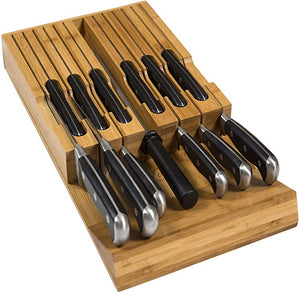
Store your knives in a block, magnetic strip, or protective sheath to keep the edges from dulling. Regular honing with a steel or ceramic rod can help maintain sharpness between full sharpenings. For more on alternative maintenance tools, see the guide on knife sharpening with diamond rods and knife sharpening with ceramic rods.
Frequently Asked Questions
How often should I sharpen my kitchen knives with a flat stone?
The frequency depends on how often you use your knives and the type of food you cut. For most home cooks, sharpening every 2–3 months is sufficient. If you notice your knife struggling to slice through tomatoes or herbs, it’s time to sharpen.
Can I use a flat stone for all types of knives?
Flat stones are suitable for most kitchen knives, including chef’s knives, paring knives, and utility blades. However, serrated knives and some specialty blades may require different sharpening tools or professional service.
What’s the difference between honing and sharpening?
Honing realigns the edge of the blade without removing material, while sharpening with a stone actually grinds away metal to create a new edge. Regular honing can extend the time between sharpening sessions.
Is it better to use water or oil on my sharpening stone?
Use water for water stones and oil for oil stones. Never mix the two, as this can damage the stone. Always follow the manufacturer’s instructions for best results.
Mastering the technique of using a flat stone to sharpen knives is a valuable skill for any cook. With practice, you’ll enjoy safer, more efficient food prep and extend the life of your favorite blades.
This article contains affiliate links. We may earn a commission at no extra cost to you.