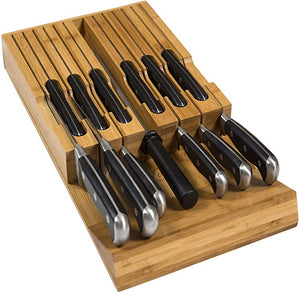



 (858) 333-1035 Sales@knives.shop
 When it comes to preparing meat, having a properly sharpened knife is essential for both safety and precision. A dull blade can tear or crush the fibers, making it difficult to achieve clean, even slices. Learning how to sharpen knives for slicing meat not only improves your results in the kitchen but also extends the life of your knives and makes the process more enjoyable.
Whether you’re a home cook or a professional, understanding the right techniques and tools for sharpening will help you maintain razor-sharp edges ideal for meat slicing. This guide covers the fundamentals, from choosing the best sharpening method to maintaining your blades for long-lasting performance.
For those interested in learning about other types of blades, you might also find value in our article on how to sharpen knives for filleting fish, which covers techniques specific to delicate fillet knives.
Why Sharp Knives Matter for Meat Slicing
Using a sharp knife is crucial when slicing meat. A keen edge allows you to cut through muscle fibers cleanly, preserving the texture and appearance of each slice. Dull blades, on the other hand, can slip or require excessive force, increasing the risk of accidents and uneven cuts. Maintaining a sharp edge also helps reduce fatigue and makes the entire process more efficient.
Regular sharpening ensures your knives perform at their best, whether you’re preparing steaks, roasts, or charcuterie. It’s not just about aesthetics—sharp knives help retain the juices and flavor in the meat by minimizing cell damage during slicing.
Essential Tools for Sharpening Meat Slicing Knives
Before diving into the sharpening process, it’s important to gather the right tools. There are several methods available, each with its own advantages:
- Whetstones: Offer precise control and are suitable for most kitchen knives.
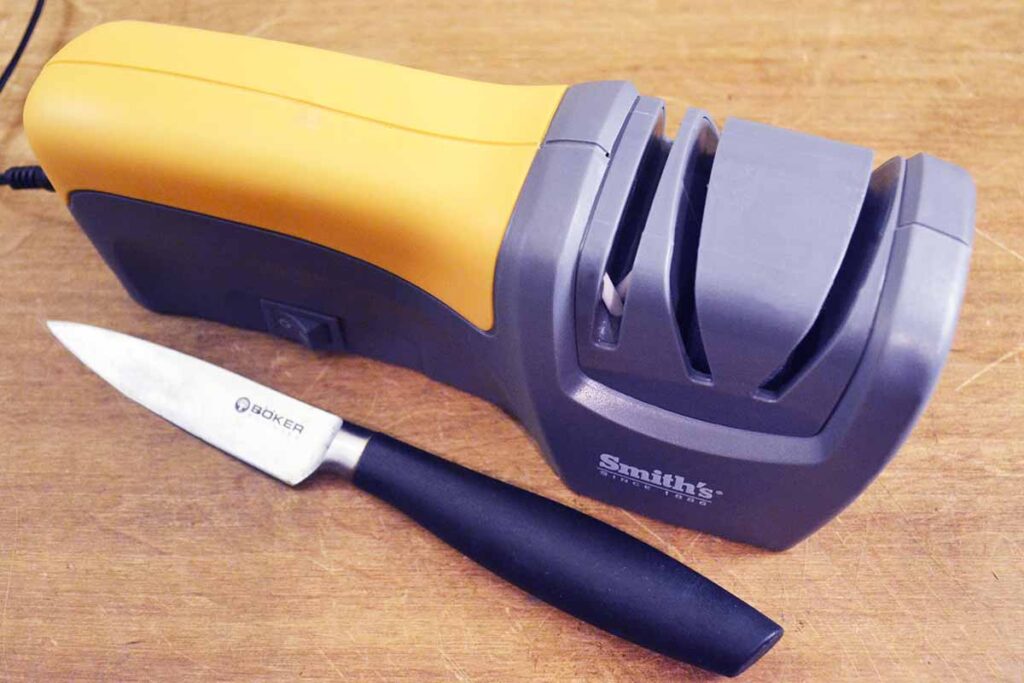
- Electric sharpeners: Provide quick, consistent results and are ideal for those seeking convenience.
- Sharpening rods (honing steels): Maintain an edge between sharpenings but do not remove significant material.
- Manual pull-through sharpeners: Simple to use and effective for quick touch-ups.
For meat slicing knives, a combination of a coarse and fine grit whetstone or a quality electric sharpener is often recommended. Each tool has its place, and the best choice depends on your skill level and the type of knife you’re maintaining.

Step-by-Step Guide: How to Sharpen Knives for Slicing Meat
Achieving a razor-sharp edge for meat slicing requires attention to detail and the right technique. Here’s a step-by-step approach using a whetstone, which is widely regarded as one of the most effective methods:
- Soak the Whetstone: If you’re using a water stone, soak it for 10–15 minutes until air bubbles stop appearing. Oil stones should be lubricated with honing oil.
- Set the Angle: For most meat slicing knives, an angle of 15–20 degrees is ideal. Maintaining a consistent angle is key to a sharp, even edge.
- Sharpen One Side: Hold the knife at the correct angle and draw the blade across the stone from heel to tip, applying gentle, even pressure. Repeat this motion 8–10 times or until you feel a slight burr on the opposite side.
- Flip and Repeat: Turn the knife over and repeat the process on the other side to remove the burr and create a symmetrical edge.
- Use the Fine Grit: Switch to the fine side of the stone and repeat the sharpening process to refine the edge.
- Hone the Edge: Finish by running the blade along a honing steel to align the microscopic teeth of the edge.
- Clean and Test: Wipe the blade clean and test sharpness by slicing through a piece of paper or a tomato. The knife should glide effortlessly.
For those who prefer convenience, electric sharpeners can deliver excellent results with minimal effort. Just be sure to follow the manufacturer’s instructions to avoid removing too much material.
Choosing the Right Sharpening Angle for Meat Knives
The sharpening angle plays a significant role in determining how well your knife will perform. For slicing meat, a slightly narrower angle (around 15–18 degrees per side) provides a finer, sharper edge that glides through meat with minimal resistance. However, if you frequently cut through bones or tougher cuts, a slightly wider angle (up to 20 degrees) can add durability.
Maintaining a consistent angle throughout the sharpening process is more important than the exact degree. Some sharpeners come with angle guides to assist beginners, while experienced users often develop a feel for the correct positioning.
Maintaining Your Edge: Tips for Long-Lasting Sharpness
Once you’ve achieved a sharp edge, proper maintenance is key to keeping your knife in top condition. Here are some practical tips:
- Hone regularly: Use a honing steel before or after each use to realign the edge and prevent dulling.
- Hand wash only: Avoid dishwashers, as harsh detergents and high heat can damage the blade and handle.
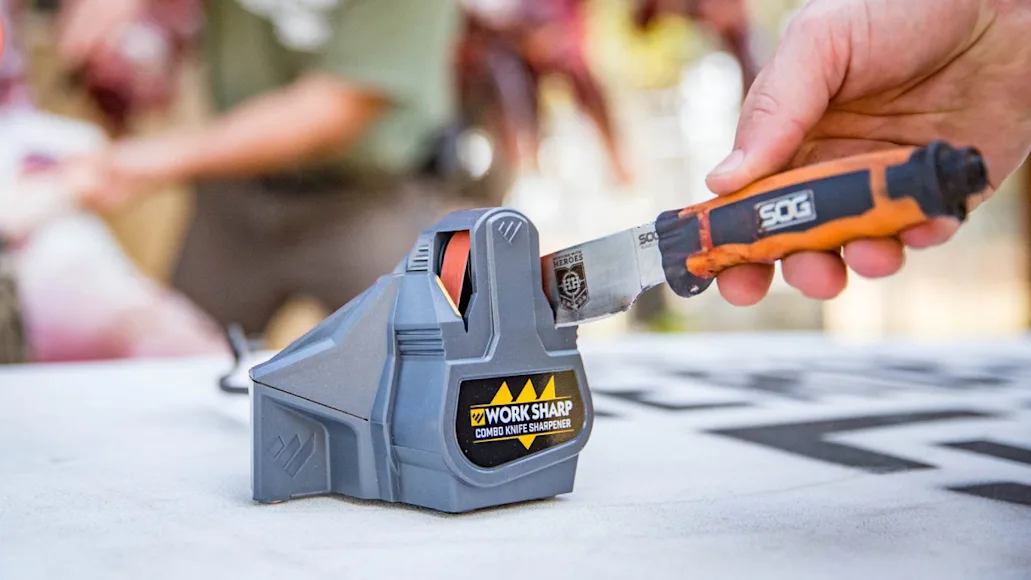
- Store safely: Use a knife block, magnetic strip, or blade guard to protect the edge from nicks and chips.
- Sharpen as needed: Refer to a knife sharpening frequency guide to determine how often your knives should be sharpened based on usage.
Consistent care will ensure your meat slicing knives remain sharp and ready for any task.
Common Mistakes to Avoid When Sharpening Meat Slicing Knives
Even experienced cooks can make mistakes when sharpening their blades. Here are some pitfalls to watch out for:
- Inconsistent angle: Changing the angle mid-stroke can create an uneven edge and reduce sharpness.
- Skipping grits: Moving from a coarse to a fine grit too quickly can leave the edge rough or unfinished.
- Applying too much pressure: Excessive force can damage the blade or remove too much material.
- Neglecting to clean the stone: Metal filings can clog the surface, reducing effectiveness. Rinse stones regularly during use.
- Forgetting to hone: Honing realigns the edge and should be done frequently between sharpenings.
By avoiding these errors, you’ll get the most out of your sharpening efforts and keep your knives performing at their best.
Recommended Resources and Further Reading
If you’d like to deepen your understanding of blade maintenance, check out this comprehensive guide to sharpening knives from a trusted knife manufacturer. For those interested in sharpening other types of blades, our articles on how to sharpen utility knives and how to sharpen chef’s knives at home provide step-by-step instructions tailored to each knife style.
Frequently Asked Questions
What is the best sharpening tool for meat slicing knives?
Both whetstones and electric sharpeners are excellent choices. Whetstones offer precise control, while electric sharpeners provide speed and consistency. Choose the tool that matches your skill level and the type of knife you use most often.
How often should I sharpen my meat slicing knife?
The frequency depends on how often you use your knife and the type of meat you cut. For home cooks, sharpening every few months is usually sufficient, while professionals may need to sharpen weekly. Regular honing between sharpening sessions helps maintain the edge.
Can I use the same sharpening method for all my kitchen knives?
Most sharpening techniques work for a variety of kitchen knives, but some specialty blades (like fillet or utility knives) may require different angles or tools. Always check the manufacturer’s recommendations and adjust your technique as needed.
Is it safe to sharpen knives at home?
Yes, sharpening knives at home is safe if you follow proper techniques and use the right tools. Always work slowly, maintain a consistent angle, and keep your fingers clear of the blade during sharpening.
With the right approach and regular maintenance, you’ll enjoy effortless, precise meat slicing every time you step into the kitchen.
This article contains affiliate links. We may earn a commission at no extra cost to you.