


 (858) 333-1035 Sales@knives.shop
 Japanese santoku knives are prized for their precision, versatility, and razor-sharp edges. Over time, even the best blades lose their keen edge, making regular maintenance essential for both performance and safety. Learning how to sharpen Japanese santoku knives ensures your kitchen tool stays in top condition, delivering clean cuts and a smooth cooking experience.
This guide covers the most effective methods for restoring the edge on your santoku, including the use of whetstones, honing rods, and electric sharpeners. Whether you're a home cook or a professional chef, understanding the right techniques will help you maintain your knife's sharpness and prolong its lifespan.
For those interested in refining their edge even further, exploring knife strop techniques can help achieve a mirror-polished finish and exceptional sharpness.
Understanding the Santoku Blade and Its Sharpening Needs
The santoku knife, originating from Japan, features a distinctive sheepsfoot blade and a double-bevel edge. Typically, the blade angle ranges from 12 to 15 degrees per side, which is sharper than most Western knives. This acute angle allows for precise slicing, dicing, and mincing, but it also means the edge can dull more quickly if not properly maintained.
Unlike some Western knives, santoku blades are often made from harder steel, which holds an edge longer but can be more challenging to sharpen. Knowing the right approach is crucial to avoid damaging the blade or removing too much material.
Essential Tools for Sharpening Santoku Knives
Before you begin, gather the necessary tools. The most common options for sharpening Japanese santoku knives include:
- Whetstones (Water Stones): Offer precise control and are preferred for traditional sharpening.
- Honing Rods: Used for regular maintenance to realign the edge between sharpening sessions.
- Electric Knife Sharpeners: Provide quick results and are suitable for those seeking convenience.
- Diamond Stones: Effective for harder steels and quick edge restoration.
For more details on using diamond stones, see the article on how to sharpen knives with a diamond stone.
Step-by-Step Guide: Using a Whetstone for a Razor-Sharp Edge
Whetstones are the preferred method for many enthusiasts and professionals when it comes to how to sharpen Japanese santoku knives. Follow these steps for optimal results:
- Soak the Stone: Submerge your whetstone in water for 10–15 minutes until air bubbles stop rising.
- Set the Angle: Hold the knife at a 12–15 degree angle to the stone. A coin placed under the spine can help maintain consistency.
- Sharpen the Edge: Glide the blade across the stone in smooth, sweeping motions, starting from the heel and moving to the tip. Repeat 10–15 times on one side, then switch to the other.
- Use Finer Grit: After initial sharpening with a coarse grit (1000–2000), switch to a finer grit (3000–8000) for polishing.
- Rinse and Dry: Clean the blade with water and dry thoroughly to prevent rust.
Maintaining a consistent angle and using gentle pressure are key to achieving a sharp, even edge.

How to Use Electric Sharpeners on Santoku Knives
Electric sharpeners are a practical solution for those who want quick, consistent results. Many modern devices are designed to accommodate the thinner, sharper angles of Japanese blades.
To use an electric sharpener:
- Read the manufacturer's instructions to ensure compatibility with santoku knives.
- Insert the blade into the designated slot, maintaining a steady, gentle pressure.
- Draw the knife through the sharpener slowly, allowing the abrasive wheels to do the work.
- Repeat as recommended, usually 2–3 passes per side.
While convenient, electric sharpeners remove more material than hand sharpening, so use them sparingly to preserve the blade's life.

Maintaining Your Santoku Edge Between Sharpenings
Regular maintenance helps prolong the sharpness of your blade and reduces the need for frequent sharpening. Here are some practical tips:
- Use a Honing Rod: Realign the edge before each use to keep it straight and sharp.
- Strop the Blade: After sharpening, stropping on leather or a fine abrasive can polish the edge. Learn more about how to sharpen knives with a leather strop for best results.
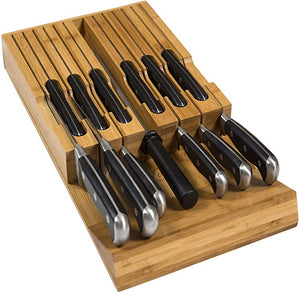
- Proper Storage: Store knives in a block, sheath, or on a magnetic strip to prevent dulling.
- Hand Wash Only: Avoid dishwashers, as harsh detergents and movement can damage the edge.
With these habits, your santoku will stay sharp and ready for any kitchen task.
Common Mistakes to Avoid When Sharpening
Even experienced cooks can make errors that compromise their blade. Avoid these pitfalls:
- Using the wrong angle, which can blunt or chip the edge.
- Applying too much pressure, leading to uneven sharpening.
- Skipping finer grits, which leaves a rough, less durable edge.
- Neglecting to clean and dry the blade after sharpening, causing rust.
For a deeper dive into edge finishing, see the guide on how to polish knife edges.
Expert Tips for Achieving a Professional Edge
To get the most from your santoku, consider these advanced tips:
- Sharpen regularly rather than waiting for the blade to become very dull.
- Alternate sides evenly to maintain a symmetrical edge.
- Test sharpness by slicing paper or tomato skin; a sharp knife should cut cleanly with little effort.
- After sharpening, wipe the blade with a damp cloth to remove any metal filings.
For more sharpening advice, check out this comprehensive guide to knife sharpening techniques from culinary experts.
Frequently Asked Questions
How often should I sharpen my Japanese santoku knife?
Frequency depends on usage. For home cooks, sharpening every 2–3 months is typical, with regular honing in between. Professional chefs may need to sharpen more often.
Can I use a Western-style sharpener on a santoku knife?
Not all Western sharpeners are suitable due to the different edge angles. Choose a device that supports 12–15 degree angles or use a whetstone for best results.
What grit whetstone is best for santoku knives?
Start with a 1000–2000 grit stone for sharpening, then finish with a 3000–8000 grit for polishing. Finer grits help achieve a razor-sharp, smooth edge.
Is it necessary to strop after sharpening?
Stropping is not mandatory, but it helps refine the edge and remove microscopic burrs, resulting in a smoother, longer-lasting sharpness.