


 (858) 333-1035 Sales@knives.shop
 Japanese kitchen knives are renowned for their exceptional sharpness, craftsmanship, and precision. To keep these blades performing at their best, regular maintenance is essential. Understanding how to sharpen Japanese knives and care for them properly will extend their lifespan, preserve their edge, and ensure safe, enjoyable use in your kitchen.
Whether you’re a professional chef or a home cook, learning the right techniques and tools for blade upkeep is crucial. This guide covers the fundamentals of sharpening, cleaning, and storing Japanese knives, along with practical tips for keeping your investment in top condition.
For those interested in specific blade types, you can find detailed advice on knife sharpening for Gyuto knives to further enhance your skills with this popular Japanese chef’s knife.
Understanding Japanese Knife Construction
Japanese blades are typically crafted from high-carbon steel or layered Damascus steel, resulting in a harder, thinner, and sharper edge compared to most Western knives. This unique construction allows for precise cuts but also means the edge can be more delicate and prone to chipping if not maintained correctly.
- Single-bevel vs. double-bevel: Many traditional Japanese knives have a single-bevel edge, sharpened on one side only, while others use a double-bevel similar to Western knives. Knowing your knife’s edge type is important for proper sharpening.
- Steel hardness: Japanese steels are often harder (measured on the Rockwell scale), which allows for a finer edge but requires more careful handling and sharpening.
Essential Tools for Sharpening Japanese Knives
To master how to sharpen Japanese knives, you’ll need the right equipment. The most common and effective tools include:
- Whetstones (Sharpening Stones): The preferred method for most Japanese blades. Whetstones come in various grits, from coarse (around 400) for repairing chips, to medium (1000–3000) for regular sharpening, and fine (6000–8000) for polishing and finishing.
- Honing Rods: Ceramic rods can help maintain the edge between full sharpenings, but avoid steel rods as they can damage harder Japanese steels.
- Guides and Angle Holders: These assist in keeping a consistent sharpening angle, especially for beginners.
- Electric Sharpeners: While not traditional, some modern devices are designed to handle Japanese blades. Always check compatibility before use.

Step-by-Step Guide: Sharpening Japanese Knives with a Whetstone
Sharpening with a whetstone is the most effective way to maintain a razor-sharp edge. Here’s a practical approach:
- Soak the stone: Immerse your whetstone in water for 10–15 minutes until air bubbles stop rising. Keep the surface wet during sharpening.
- Set the angle: Japanese knives are often sharpened at a 10–15 degree angle. Hold the blade at this angle against the stone.
- Sharpen the edge: Using gentle, even strokes, move the blade across the stone, starting from the heel and moving to the tip. Repeat 10–15 times per side, or until you feel a burr (a slight roughness) on the edge.
- Switch grits: Start with a medium grit for dull knives, then finish with a fine grit for polishing.
- Rinse and dry: After sharpening, rinse the blade and stone, then dry thoroughly to prevent rust.
For more sharpening techniques, check out this comprehensive guide to knife sharpening tricks that covers a variety of tips and methods.
Alternative Sharpening Methods
While whetstones are the gold standard, there are other ways to maintain your Japanese blades:
- Manual Pull-Through Sharpeners: Some models are designed for Japanese angles and can be convenient for quick touch-ups.
- Electric Sharpeners: If you prefer speed and simplicity, choose a device specifically made for thin, hard Japanese steel to avoid damaging the blade.
- Professional Sharpening Services: For chipped or heavily worn knives, consider sending your blade to a specialist.

Routine Maintenance and Storage Tips
Proper care goes beyond just sharpening. Here are essential habits to keep your Japanese knives in peak condition:
- Hand wash only: Never put Japanese blades in the dishwasher. Wash gently with mild soap and dry immediately.
- Avoid hard surfaces: Use wooden or plastic cutting boards. Avoid glass, ceramic, or stone surfaces that can dull or chip the edge.
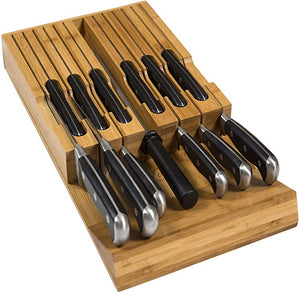
- Store safely: Use a knife block, magnetic strip, or blade guard to prevent accidental damage and maintain sharpness.
- Regular honing: Use a ceramic honing rod to realign the edge between sharpenings.
Sharpening Different Types of Japanese Knives
Each style of Japanese blade may require a slightly different approach:
- Gyuto (Chef’s Knife): Versatile and commonly double-beveled, sharpen at 12–15 degrees per side. For more, see this detailed guide on knife sharpening for Gyuto knives.
- Yanagiba (Sushi Knife): Single-bevel, sharpen only the beveled side and finish with a few strokes on the flat side.
- Deba (Butchering Knife): Also single-bevel, use a slightly steeper angle for durability.
- Specialty Knives: For filleting, peeling, pastry, or cheese knives, refer to guides such as knife sharpening for filleting knives, knife sharpening for peeling knives, knife sharpening for pastry knives, and knife sharpening for cheese knives for tailored advice.
Common Mistakes to Avoid
Even experienced cooks can make errors that shorten the life of their blades. Avoid these pitfalls:
- Incorrect angle: Sharpening at too steep or shallow an angle can damage the edge.
- Using the wrong tools: Steel honing rods or coarse pull-through sharpeners can harm hard Japanese steel.
- Neglecting cleaning: Leaving moisture or food residue can cause rust or corrosion.
- Improper storage: Tossing knives in a drawer leads to chips and dullness.
Frequently Asked Questions
How often should I sharpen my Japanese kitchen knife?
For home cooks, sharpening every 2–3 months is typical, but frequency depends on use. Regular honing with a ceramic rod can extend the time between full sharpenings.
Can I use an electric sharpener on Japanese knives?
Some electric sharpeners are designed for Japanese blade angles and hardness. Always check the manufacturer’s recommendations to avoid damaging the edge. For best results, use a whetstone or consult a professional.
What’s the best way to prevent rust on Japanese blades?
Hand wash and dry your knife immediately after use. Store in a dry place, and occasionally apply a light coat of food-safe mineral oil if you live in a humid environment.
Is it necessary to use different stones for sharpening?
Yes, starting with a medium-grit stone for sharpening and finishing with a fine-grit stone for polishing gives the best results. Coarse stones are only needed for repairing chips or very dull edges.
Conclusion
Preserving the sharpness and integrity of Japanese kitchen knives requires attention to detail and the right techniques. By mastering how to sharpen Japanese knives with whetstones, maintaining proper cleaning habits, and storing your blades carefully, you can enjoy years of exceptional performance. With the right knowledge and tools, your Japanese knives will remain a reliable and precise asset in your kitchen.
This article contains affiliate links. We may earn a commission at no extra cost to you.