


 (858) 333-1035 Sales@knives.shop
 Keeping your kitchen knives sharp is essential for safe and efficient cooking. Dull blades require more force and can slip, increasing the risk of accidents. Learning how to sharpen a knife safely not only extends the life of your tools but also helps prevent injuries. This article will walk you through the safest techniques, recommended tools, and best practices for maintaining razor-sharp edges without putting yourself at risk.
Before diving into the details, it's important to understand that proper technique and the right equipment make all the difference. If you're new to knife maintenance, consider reviewing reputable resources such as this comprehensive guide to kitchen knife sharpening for additional background and safety tips.
Why Safe Knife Sharpening Matters
Many kitchen accidents occur when using dull blades. A sharp knife cuts with less effort, allowing for better control and reducing the likelihood of slips. Understanding safe knife sharpening methods is crucial for anyone who regularly prepares food at home. Not only does this protect your hands and fingers, but it also ensures your knives perform at their best.
Common mistakes, such as using improper angles or applying too much pressure, can lead to injuries or damage your blade. By following the right steps and using the correct tools, you can maintain sharp knives and keep your kitchen a safer place.
Choosing the Right Tools for Safe Sharpening
There are several tools available for keeping your knives in top condition. Each has its advantages, and the best choice often depends on your experience level and the types of knives you own. Here’s a quick overview:
- Sharpening Stones (Whetstones): Offer precise control and are suitable for most kitchen knives. They require practice to master but deliver excellent results.
- Manual Pull-Through Sharpeners: Easy to use and ideal for beginners. They guide the blade at a fixed angle, minimizing mistakes.
- Electric Knife Sharpeners: Fast and convenient, especially for those with many knives. They provide consistent results but may remove more metal than necessary if overused.
- Honing Rods: Used for realigning the edge between sharpenings rather than removing metal. Essential for regular maintenance.
For those just starting, a manual or electric sharpener is often the safest option. More experienced users may prefer whetstones for their versatility and precision.

Preparing for the Sharpening Process
Before you begin, set up a clean, well-lit workspace. Make sure your sharpening tool is stable and your hands are dry to avoid slipping. Place a damp towel under your stone or sharpener to keep it from moving. Always read the manufacturer’s instructions for your specific tool, as each may have unique safety guidelines.
Inspect your knife for any chips or damage. If the blade is severely damaged, consider professional sharpening. For routine maintenance, ensure the blade is clean and free from food residue.
How to Sharpen a Knife Safely: Step-by-Step Instructions
Whether you’re using a stone, manual sharpener, or electric device, the following steps will help you achieve a sharp edge while minimizing risk:
- Secure the Sharpener: Place your sharpening tool on a stable surface. If using a stone, make sure it won’t slide during use.
- Hold the Knife Correctly: Grip the handle firmly with your dominant hand. Keep your fingers away from the blade’s edge at all times.
- Set the Angle: Most kitchen knives should be sharpened at a 15–20 degree angle. Manual and electric sharpeners usually guide the blade at the correct angle automatically.
- Sharpen Evenly: If using a stone, draw the blade across the surface from heel to tip, maintaining consistent pressure and angle. Repeat on both sides for an even edge.
- Use Smooth Motions: Avoid jerky or forceful movements. Let the sharpener do the work, especially with electric models.
- Check Progress: After a few passes, inspect the edge. A burr (a slight, raised edge) indicates sharpening is working. Switch sides as needed.
- Finish and Clean: Once sharp, wipe the blade with a damp cloth to remove metal filings. Dry thoroughly before use.
Always focus on control and consistency, not speed. Rushing increases the risk of slips and injuries.

Essential Safety Tips for Knife Sharpening
To further reduce the risk of injury, keep these safety tips in mind:
- Never rush the process. Take your time to maintain control.
- Keep your non-dominant hand clear. When using a stone, place your fingers on the spine of the blade, never near the edge.
- Use protective gear if needed. Cut-resistant gloves can provide extra protection, especially for beginners.
- Store sharpeners safely. After use, clean and store your tools out of reach of children.
- Maintain your knives. Regular honing between sharpenings keeps blades in top condition and reduces the frequency of full sharpening sessions.
Maintaining Sharp Knives for Long-Term Safety
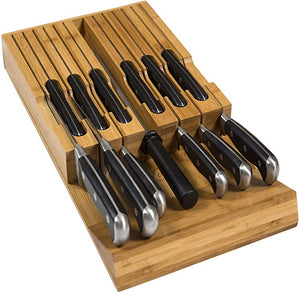
Proper maintenance goes beyond just sharpening. Regularly honing your knives with a steel rod helps keep the edge aligned and reduces the need for frequent sharpening. Always hand wash and dry your knives after use to prevent corrosion and dulling. Store them in a knife block, magnetic strip, or blade guard to protect both the edge and your fingers.
By incorporating these habits, you’ll spend less time sharpening and more time enjoying safe, efficient food preparation.
Frequently Asked Questions
How often should I sharpen my kitchen knives?
For home cooks, sharpening every few months is usually sufficient. However, regular honing with a steel rod after each use helps maintain the edge and extends the time between full sharpening sessions.
Is it better to use a stone or an electric sharpener?
Both methods are effective when used correctly. Stones offer more control and precision, while electric sharpeners are faster and easier for beginners. Choose the tool that matches your comfort level and the types of knives you own.
What are the signs that my knife needs sharpening?
If your knife struggles to slice through tomatoes or slips off onions, it’s time to sharpen. A dull blade requires more force and can be dangerous, so regular checks are important for safety.
Mastering how to sharpen a knife safely is a valuable skill for any home cook. With the right tools, careful technique, and regular maintenance, you can keep your blades sharp and your hands safe for years to come.