


 (858) 333-1035 Sales@knives.shop
 Keeping your knives sharp is crucial for both safety and performance in the kitchen or outdoors. A well-maintained edge not only makes cutting tasks easier but also reduces the risk of accidents caused by slipping. Whether you’re a home cook, professional chef, or outdoor enthusiast, understanding how to maintain knife edges will help extend the life of your blades and ensure every cut is clean and precise.
Many people focus solely on sharpening, but true edge retention is about daily habits, proper storage, and knowing when and how to sharpen. If you’re looking to avoid common mistakes and get the most out of your knives, you’ll find practical advice here. For those just starting out, you might also benefit from these knife sharpening tips for beginners to build a solid foundation.
Understanding the Basics of Knife Edge Maintenance
Before diving into specific techniques, it’s important to grasp what causes knives to lose their sharpness. Regular use, improper cutting surfaces, and poor storage can all contribute to dull blades. To keep your knives performing at their best, you need to develop a routine that includes both preventive care and timely sharpening.
- Use the right cutting board: Hard surfaces like glass or stone can quickly wear down an edge. Opt for wood or plastic boards to protect your knives.
- Clean knives properly: Hand wash your blades and dry them immediately. Dishwashers can cause chipping and corrosion.
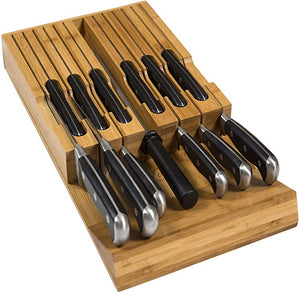
- Store knives safely: Use a knife block, magnetic strip, or blade guards to prevent accidental dulling and damage.
By following these simple steps, you’ll minimize unnecessary wear and keep your blades in top condition between sharpenings.
Daily Habits for Preserving Sharpness
Consistent care is the secret to keeping knife edges keen. Here are some daily habits that make a big difference:
- Wipe the blade after each use to remove food particles and moisture.
- Never use knives to cut hard materials like bones or frozen foods unless the blade is designed for it.
- Hone your knife regularly with a honing rod to realign the edge and maintain its sharpness.
Honing is often confused with sharpening, but it doesn’t remove metal from the blade. Instead, it straightens microscopic bends that develop during normal use. Incorporating honing into your routine can dramatically extend the time between full sharpenings.
Sharpening Techniques and Tools
Even with the best care, every knife will eventually need sharpening. There are several methods and tools available, each with its own advantages:
- Whetstones: Offer precise control and are suitable for all blade types. They require practice but deliver excellent results.
- Manual sharpeners: Convenient for quick touch-ups and ideal for beginners.
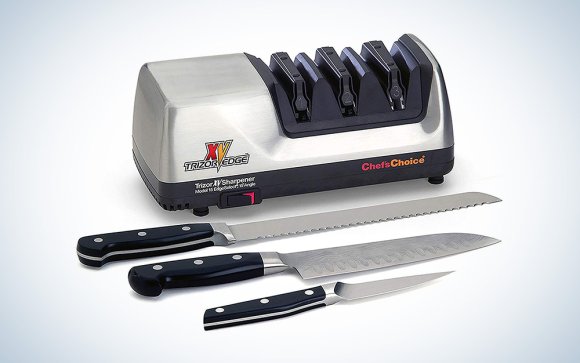
- Electric sharpeners: Fast and easy to use, making them perfect for busy kitchens or those who want consistent results.
Choosing the right method depends on your skill level and the types of knives you own. For a detailed walkthrough, check out this comprehensive guide to sharpening a knife which covers both technique and safety.
When sharpening, always maintain the correct angle for your blade. Most Western knives are sharpened at 20 degrees, while Japanese blades often use a 15-degree angle. Consistency is key—uneven sharpening can damage the edge and shorten the knife’s lifespan.
How to Maintain Knife Edges Over Time
Long-term edge retention is about more than just sharpening. Here are some advanced tips to help your knives stay sharp for months or even years:
- Rotate your knives: Avoid using the same blade for every task. This distributes wear and extends the life of each knife.
- Inspect regularly: Look for nicks, chips, or signs of dullness. Addressing issues early prevents further damage.
- Use the right technique: Slice with a smooth, controlled motion rather than chopping or twisting, which can dull the edge.
For those interested in exploring more advanced sharpening methods, you might find value in learning about the best knife sharpening techniques used by professionals.

Common Mistakes That Dull Blades Quickly
Even experienced cooks can fall into habits that reduce edge longevity. Here are some pitfalls to avoid:
- Using the wrong sharpener: Not all sharpeners suit every blade. Match the tool to your knife’s steel and grind.
- Neglecting to hone: Skipping regular honing leads to faster dulling and more frequent sharpening.
- Improper storage: Tossing knives in a drawer can cause chips and nicks. Always use a protective storage solution.
- Cutting on hard surfaces: Avoid granite, glass, or ceramic boards, which can ruin the edge in just a few uses.
By steering clear of these mistakes, you’ll preserve your blades and reduce the need for frequent sharpening sessions. If you’re unsure about which sharpener to choose, consider reading about manual vs electric knife sharpeners to find the best fit for your needs.
Frequently Asked Questions
How often should I sharpen my knives?
The frequency depends on how often you use your knives and the type of tasks you perform. For home cooks, sharpening every few months is usually sufficient, while professionals may need to sharpen weekly. Regular honing can extend the time between sharpenings.
What’s the difference between honing and sharpening?
Honing realigns the edge of the blade without removing material, keeping it straight and effective. Sharpening, on the other hand, grinds away metal to create a new edge. Both are important for maintaining performance.
Can I use an electric sharpener on all types of knives?
Most electric sharpeners are designed for standard kitchen knives, but some may not be suitable for specialty blades like serrated or Japanese knives. Always check the manufacturer’s recommendations before using an electric sharpener on your knives.
What is the best way to store knives to keep them sharp?
Storing knives in a block, on a magnetic strip, or with blade guards helps prevent accidental dulling and damage. Avoid tossing knives into drawers where they can knock against other utensils.
Conclusion
Maintaining sharp knife edges is a blend of daily care, proper technique, and using the right tools. By adopting these practices, you’ll enjoy safer, more efficient cutting and extend the lifespan of your favorite blades. Remember to hone regularly, sharpen when needed, and always store your knives correctly. For more in-depth guidance on safe sharpening, you can also explore this step-by-step guide to sharpening knives without injury.
With the right habits and knowledge, your knives will stay sharp and ready for any task.
This article contains affiliate links. We may earn a commission at no extra cost to you.