


 (858) 333-1035 Sales@knives.shop
 Maintaining a keen edge on your knives or tools is essential for safety, efficiency, and precision. Whether you’re a home cook, outdoor enthusiast, or craftsman, knowing how to achieve a razor-sharp edge can make every cut smoother and more controlled. This guide covers the fundamentals, techniques, and tools you’ll need to master the process, along with practical tips to keep your blades performing at their best.
Before diving into sharpening methods, it’s important to understand the basics of blade geometry and the significance of sharpening angles. For a deeper look at this topic, check out the knife sharpening angle guide, which explains how different angles affect sharpness and durability.
Understanding What Makes an Edge Razor-Sharp
A truly sharp blade has a finely honed edge that tapers to a minimal thickness, allowing it to glide through materials with little resistance. Achieving this level of sharpness requires more than just a quick pass over a sharpening tool. It involves:
- Setting the correct sharpening angle for the blade’s intended use
- Using progressively finer abrasives to refine the edge
- Removing the burr (a tiny wire edge) that forms during sharpening
- Finishing with a strop or fine honing tool for maximum keenness
Different knives and tools require different approaches, but the core principles remain the same. For those interested in the science and technique behind sharpening, this comprehensive sharpening tutorial offers additional insights.
Essential Tools for Creating a Fine Edge
To consistently produce a sharp edge, you’ll need the right equipment. Here are the most common sharpening tools:
- Whetstones (Sharpening Stones): Available in various grits, these stones allow for precise control and are suitable for most knives.
- Electric Sharpeners: Fast and convenient, these devices are ideal for those who want quick results with minimal effort.
- Sharpening Rods and Steels: Used for honing and maintaining an edge between sharpenings.
- Strops: Leather or synthetic surfaces used with polishing compounds to achieve a mirror finish.
Professional sharpeners often combine several tools for the best results. If you’re looking to upgrade your sharpening kit, our overview of knife sharpening tools for pros explains the benefits of each option.
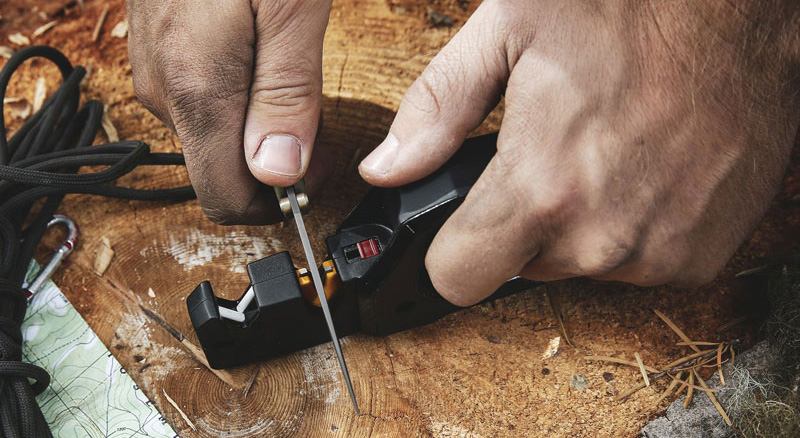
Step-by-Step Guide to Sharpening for a Razor Finish
Follow these steps to ensure your blades reach their sharpest potential:
- Choose the Right Angle: Most kitchen knives are sharpened between 15° and 20°. Outdoor or heavy-duty blades may require a slightly wider angle for durability. Refer to a reliable angle guide for specifics.
- Select the Proper Grit: Start with a coarse stone (200–600 grit) if the edge is dull or damaged. Progress to medium (800–1200) and finish with fine (3000+).
- Sharpen Evenly: Maintain a consistent angle and apply even pressure as you move the blade across the stone or through the sharpener. Alternate sides to keep the edge symmetrical.
- Remove the Burr: As you sharpen, a burr forms on the opposite side. Gently feel for it, then switch sides to remove it. This step is crucial for a truly sharp edge.
- Polish and Strop: Finish by stropping the blade on leather or using a fine ceramic rod. This polishes the edge and removes any remaining micro-burrs.
For those who prefer traditional techniques, learning how to sharpen knives on a flat stone can offer greater control and satisfaction.
Maintaining Your Edge for Lasting Sharpness
Once you’ve achieved a keen edge, regular maintenance will keep it performing well. Here’s how to preserve sharpness:
- Hone your blade with a steel or ceramic rod after each use
- Clean and dry your knives immediately after use to prevent corrosion
- Store knives in a block, sheath, or on a magnetic strip to protect the edge
- Sharpen as soon as you notice decreased performance—don’t wait until the blade is completely dull
Understanding the difference between honing and sharpening is important. If you’re unsure, our article on knife sharpening steel vs rod clarifies when to use each tool.

Common Mistakes to Avoid When Sharpening
Even experienced users can make errors that prevent blades from reaching their sharpest. Here are some pitfalls to watch out for:
- Inconsistent Angle: Changing the angle during sharpening leads to a rounded, less effective edge.
- Skipping Grits: Jumping from coarse to fine too quickly leaves scratches and reduces sharpness.
- Neglecting Burr Removal: Failing to remove the burr results in a weak, jagged edge.
- Using Too Much Pressure: Excessive force can damage the blade or the sharpening tool.
- Improper Cleaning: Not cleaning your tools and stones can cause uneven sharpening and contamination.
For more on honing techniques and avoiding these errors, see our guide to using a sharpening steel.
Frequently Asked Questions
How often should I sharpen my knives?
The frequency depends on usage and the type of blade. For home cooks, sharpening every 2–3 months is typical, with regular honing in between. Professional chefs may sharpen weekly. If you notice your knife struggling to cut cleanly, it’s time to sharpen.
What’s the best angle for sharpening kitchen knives?
Most Western kitchen knives perform best at 18–20 degrees per side, while Japanese knives are often sharpened at 12–15 degrees. Always check the manufacturer’s recommendation or refer to an angle guide for your specific knife.
Can I use an electric sharpener for all types of knives?
Electric sharpeners are convenient for most straight-edged kitchen knives. However, they may not be suitable for serrated blades, single-bevel knives, or delicate specialty blades. Always read the sharpener’s instructions and consider manual methods for high-end or unique knives.
Do I need to finish with a strop?
Stropping isn’t mandatory, but it’s highly recommended for achieving the finest edge. Stropping removes microscopic burrs and polishes the edge, resulting in a smoother and sharper finish.
Conclusion
Mastering the process of creating a keen edge on your knives and tools is a valuable skill that enhances safety, efficiency, and enjoyment in the kitchen or workshop. By understanding blade geometry, using the right tools, and following a step-by-step approach, you can consistently maintain blades that perform at their best. Remember to avoid common mistakes, maintain your edge regularly, and explore additional resources for ongoing improvement. With practice, achieving a razor-sharp edge becomes a straightforward and rewarding part of your routine.